E-commerce
Will it arrive in time? A simple checkout test
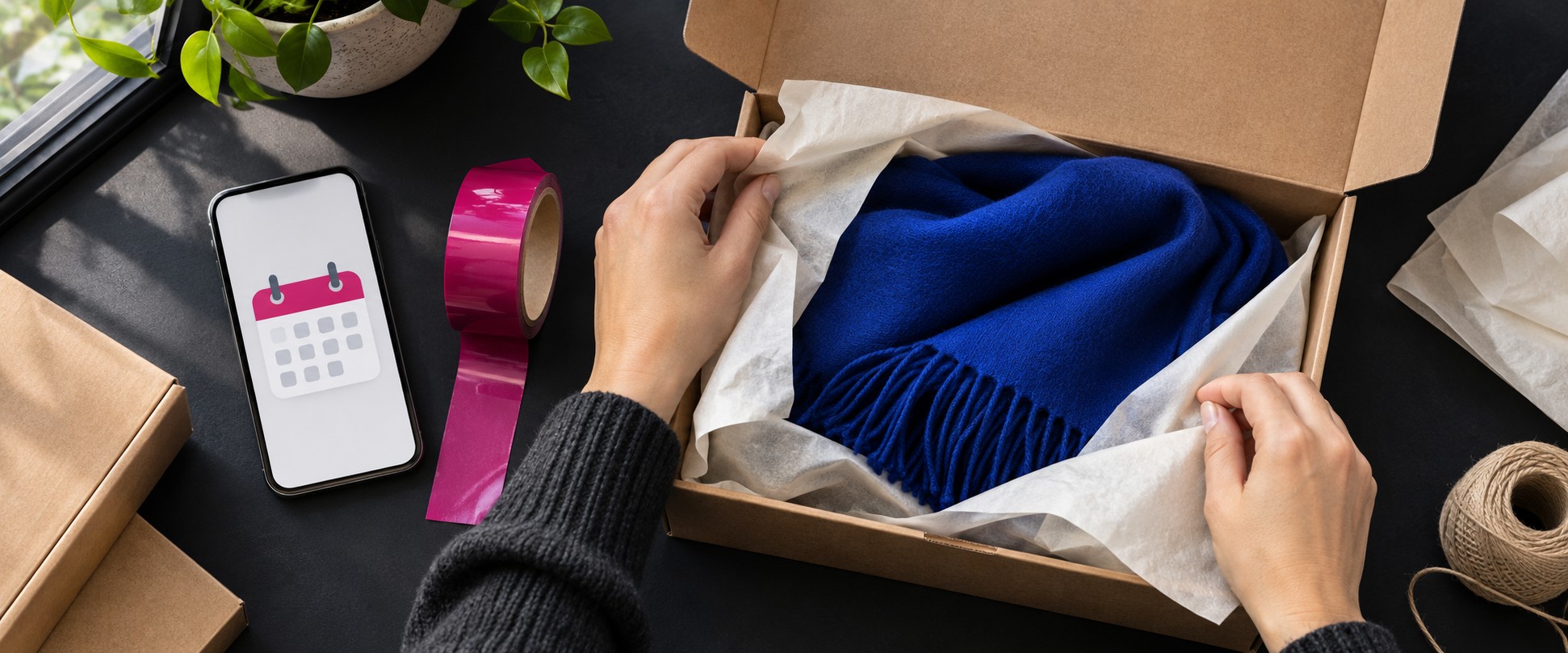
A shopper finds the right gift at the right price. Then checkout says “ships in 3–5 business days”. The birthday is on Friday. Does the parcel leave the warehouse by then, or land on the doorstep?
Before approving a deeper discount, try answering the question that shopper still has. In an August 2026 survey by Radial and Dynata targeting 1,000 US adults, 70% of respondents said they would give up a 5% discount to secure delivery on a specific date. That was a hypothetical choice in one market. It gives retailers a reason to test clearer dates with their own customers. Survey details.
Put an arrival date beside the buying decision
Start with one popular gift and one region your fulfilment team serves reliably. Open the product page on a phone. Can a first-time visitor tell when the item should arrive before tapping “Add to cart”?
Baymard’s checkout research found that shoppers had to work out arrival dates themselves when stores showed only shipping speeds. Give shoppers a postcode field if their location matters, then show the estimate where they choose the product and again where they choose shipping. Checkout research.
Example for a local delivery option: “Order by 12 noon on Monday for estimated delivery on Wednesday or Thursday.”
Build the range from stock availability, packing time, pickup schedules and transit time for that postcode. Try a Friday-afternoon order as well. A warehouse that closes for the weekend needs a different estimate from one that dispatches on Saturday.
Give the deadline an owner
Ask fulfilment to sign off on the cutoff, including its time zone. Give one person responsibility for changing the message when the deadline passes. Check the product page, basket, checkout and any scheduled ads or emails that mention delivery. If standard shipping will miss the occasion, show a viable alternative such as store collection, with its own pickup date. Reserve “guaranteed” for a commitment the business will honour.
Measure the order and the delivery
Split eligible shoppers between the current wording and the arrival-date version. Keep the price, shipping fee and promotion the same. Use completed orders divided by eligible visitors as the primary measure. Persist each order’s displayed date range so the team can compare the latest promised date with the actual delivery date.
Review delivery-related enquiries per 100 orders alongside the on-time delivery rate. If more shoppers buy but more parcels arrive late, fix the estimate before expanding the test. If conversion rises and the dates hold, extend it to the next region.
One thing to do today: Open your best-selling gift in a private browser window, enter a customer postcode and answer one question using only what appears on screen. “If I order this now, what day should I be home?” Wherever you have to guess is where the test starts.
Radial and Dynata’s 2026 peak-season consumer survey · 2 September 2026
Baymard Institute’s checkout research on delivery dates and shipping speeds · 27 June 2023